Champions League Results & Highlights: Tracking Matchday Outcomes and Broadcast Feeds
If you have been searching for accurate Champions League results and highlights recently, you likely encountered fragmented sources, delayed uploads, or conflicting scorelines across different feeds. Sports enthusiasts and casual viewers alike struggle to verify match outcomes in real time, especially when regional broadcasting rights shift, stream buffers interrupt key moments, or third-party aggregators publish unverified summaries. The core challenge remains consistent: finding a single, reliable pathway to confirmed results, official highlight reels, and contextual match data without wading through outdated archives or promotional clutter. This update cuts through the noise by focusing on the most recent matchday developments, examining why certain fixtures are generating disproportionate attention, and outlining how fans can reliably track progression toward the knockout stages.
Latest Matchday Outcomes and Immediate Standings Impact
The most recent round of group stage fixtures delivered several decisive results that have reshaped qualification scenarios ahead of the final matchdays. Multiple top-tier clubs secured narrow victories that preserved their automatic advancement positions, while others relied on late-game momentum to avoid elimination threats. The immediate standings impact centers on goal difference optimization, as teams with identical points are now separated by fractional margins. Managers adjusted substitutions strategically during the final twenty minutes, recognizing that even a single defensive clearance or counter-attack opportunity could determine seeding for the Round of 16 draw. Several clubs also managed to maintain clean sheets under high-pressure conditions, highlighting the tactical discipline that European competitions demand. These outcomes have effectively tightened the race for remaining continental slots, pushing every remaining fixture into a high-stakes environment where possession control and set-piece efficiency carry greater weight than usual.
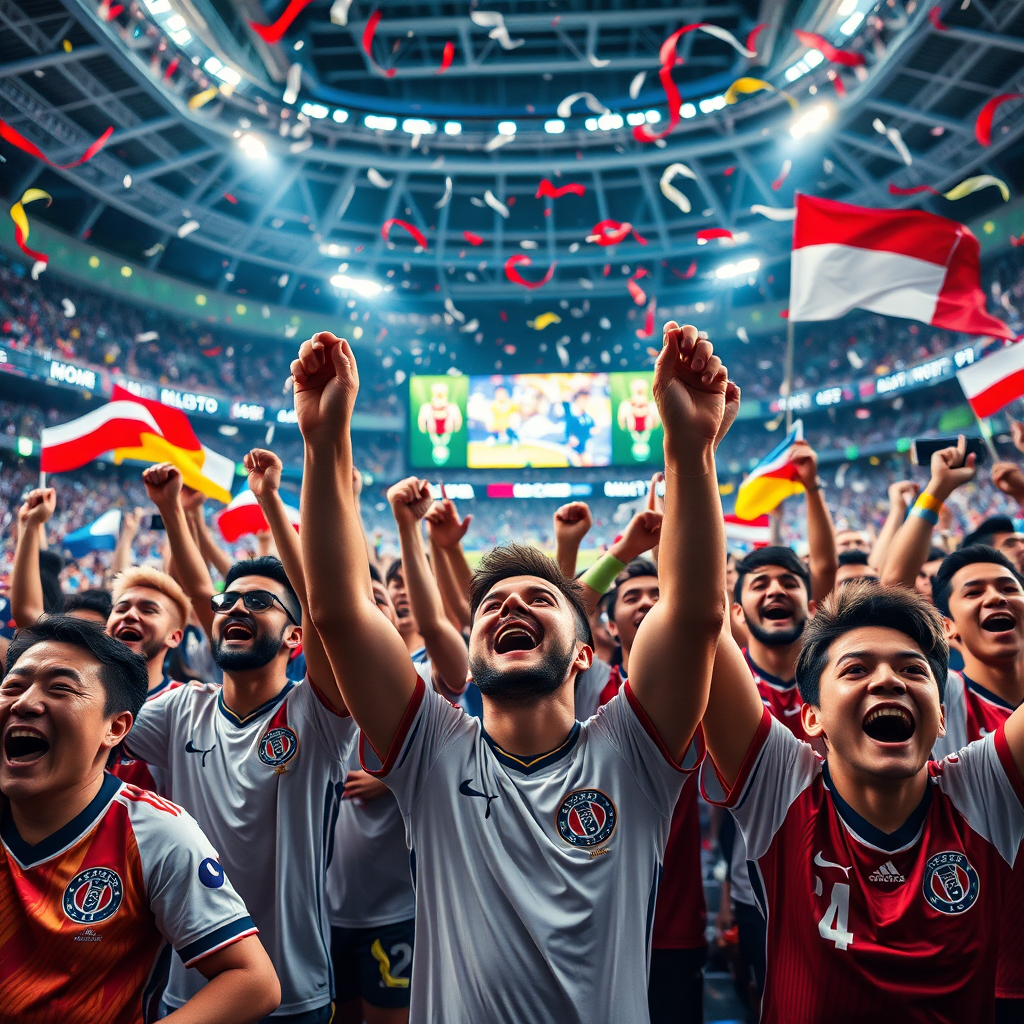 Hình minh hoạ: https://b52clubb.jpn.com/
Context Behind the Current Group Stage Dynamics
The present configuration of the group stage reflects broader structural shifts in European club football. Traditional powerhouses have faced increased competition from emerging squads that prioritize compact defensive blocks and rapid transitional play. This evolution has reduced the frequency of blowout wins, forcing analysts to evaluate matches through smaller sample sizes and granular performance indicators. Historical data shows that group stage formats often reward consistency over explosive offensive displays, particularly when away-goal advantages or tiebreaker protocols change. Clubs entering these final rounds are navigating fatigue management, squad rotation mandates, and varying pitch conditions across multiple time zones. The compression of fixture schedules means that recovery windows are shorter, making substitution timing and goalkeeper distribution equally critical. Additionally, administrative changes in competition regulations have altered how coefficients are calculated, which influences both prize distribution and future seeding allocations. Understanding these contextual layers explains why seemingly routine results now carry amplified consequences for long-term tournament trajectories.
Tactical Adjustments and Performance Metrics Across Key Fixtures
Examining the underlying mechanics of recent matches reveals distinct strategic patterns. Midfield trios have increasingly adopted asymmetrical formations, allowing wide players to invert centrally during build-up phases while fullbacks push higher to stretch opposition defenses. This approach forces compact low-block systems to reveal passing lanes, though it simultaneously exposes vertical spaces vulnerable to quick counters. Expected goals metrics continue to serve as a reliable indicator of chance quality, yet several teams have demonstrated success through targeted aerial duels and second-ball recoveries rather than traditional xG accumulation. Defensive line positioning has shifted upward in select matches, trading backline safety for aggressive pressing triggers that disrupt opponent circulation. Goalkeepers are participating more actively in short-pass sequences, functioning as additional midfield nodes to bypass press lines. These tactical nuances explain why some fixtures produced fewer total shots yet higher conversion rates, emphasizing efficiency over volume. Coaches who successfully calibrated their pressing intensity and transition speed have consistently extracted favorable outcomes, proving that modern European football rewards adaptive systems over rigid templates.

Fan Engagement, Media Coverage, and Broadcasting Shifts
How supporters consume match information has undergone substantial transformation alongside digital infrastructure improvements. Official broadcasters now offer multi-angle replays, real-time statistical overlays, and commentary tracks tailored to regional dialects, yet accessibility varies significantly depending on territorial licensing agreements. Independent analysts and former professionals frequently break down tactical adjustments within hours of the final whistle, providing educational value that extends beyond simple score reporting. Social media ecosystems amplify both genuine insights and speculative narratives, requiring viewers to cross-reference claims against verified club channels and competition administrators. Some fans prefer delayed highlight packages that compile key moments without spoilage, while others rely on minute-by-minute textual updates for work-friendly viewing schedules. The proliferation of mobile-first interfaces has normalized swipe-based navigation and push notifications, fundamentally altering how audiences engage with post-match analysis. For those seeking consolidated data points and structured breakdowns, further reference: https://b52clubb.jpn.com/. The platform serves as one of many aggregation endpoints, illustrating how centralized hubs attempt to unify fragmented sports information into digestible formats.

Upcoming Fixtures and Critical Variables for Knockout Qualification
The final group stage matches will determine seeding brackets, potential matchup avoidance strategies, and playoff pathways. Several clubs face simultaneous scheduling conflicts, requiring managers to balance domestic cup commitments with continental obligations. Weather conditions, travel distances, and referee assignments remain unpredictable variables that historically influence tactical approaches. Teams trailing on aggregate points must generate breakthrough chances against disciplined defenses, a scenario that favors creative freelancers and set-piece specialists. Conversely, leaders aiming to secure top-two finishes will prioritize risk mitigation, maintaining structural integrity rather than chasing additional goals. Historical draw algorithms indicate that conference-style bracket designs favor geographic clustering, potentially reducing travel burdens for certain participants. Analysts are monitoring injury timelines, suspension thresholds, and loan expiration dates, as roster fluidity near the cutoff date can drastically alter competitive balance. Clubs that successfully navigate these logistical constraints while preserving tactical flexibility typically emerge with advantageous knockout positioning.

Frequently Asked Questions
- Where can I find verified Champions League results shortly after the final whistle? Official competition websites, licensed broadcaster portals, and recognized sports data providers publish confirmed scorelines within minutes. Cross-checking multiple authoritative sources ensures accuracy before relying on social media summaries.
- Why do highlight videos sometimes appear days later instead of immediately? Copyright restrictions, regional licensing tiers, and production editing cycles delay public releases. Many networks reserve extended footage for premium subscriptions or specific broadcast windows.
- How are tiebreakers determined when teams finish with identical points? Standard protocols prioritize head-to-head results, goal difference, goals scored, away goals (where applicable), disciplinary records, and coefficient rankings. Competition administrators publish updated tables once all fixtures conclude.
- Are mobile apps more reliable than desktop sites for live updates? Both deliver comparable information, though app architecture allows faster push notifications and offline caching. Desktop interfaces often provide deeper statistical breakdowns and multi-camera replay access.
Tracking Champions League progress requires disciplined verification habits and awareness of how modern sports media operates. Viewers should monitor official club communications, consult licensed broadcasters for uninterrupted coverage, and utilize structured data hubs that aggregate statistics transparently. The convergence of tactical sophistication, scheduling density, and digital distribution has elevated the importance of selective consumption patterns. Relying on unverified aggregators, accepting delayed uploads as definitive sources, or assuming uniform broadcast availability across regions introduces unnecessary friction into the fan experience. Always prioritize primary competition channels, recognize that highlight accessibility fluctuates based on territorial rights, and maintain realistic expectations regarding real-time data propagation. By adhering to these guidelines, supporters can navigate matchday updates efficiently while avoiding common pitfalls associated with fragmented sports information ecosystems.